Flood water from outside is treated as contaminated. Wet drywall and carpet it touched usually come out, and everything left gets cleaned and dried. Fixr lists black water cleanup at $7 to $7.50 per square foot, and a standard homeowners policy doesn't cover flood.
The NOAA tide gauge in Charleston Harbor reached the National Weather Service minor flood stage of 7 feet on an average of 51.5 days a year over 2016-2025, up from 26.3 over 1992-2020. 2019 had 75. On most of those days the water stays in streets and yards. It still backs up storm drains, and it makes heavy rain worse when the two line up.
JanFebMarAprMayJunJulAugSepOctNovDec
Every day of 2026 so far at the Charleston Harbor gauge, colored by that day's highest tide. 29 days reached the National Weather Service minor flood stage of 7 feet through September 30, 2026.under 5.5 ft5.5 to 66 to 6.5action 6.5minor flood 7moderate 7.5major 8+NOAA CO-OPS station 8665530, verified high tides. Flood stages: NWS gauge CHTS1.
Residents name the same spots in every storm: King and Huger, the Market, Hagood Avenue, Harbor View Road, parts of Shadowmoss. Where Charleston floods, and why.
Hurricanes are the other source. Hugo pushed the harbor to 12.52 feet in 1989, and the federal flood insurance program recorded 9,591 claims in the three counties that year. More recently the gauge crested at 9.92 feet on September 11, 2017 and 9.86 feet on December 17, 2023. Full tide and claims data.
What cleanup involves
Safety first. Stay out of water that may be touching wiring. Have the power checked before turning it back on in flooded rooms.
Document everything before it is moved or thrown out. The SC Department of Insurance says to take photos or videos of the damaged areas and personal property.
Remove contaminated porous material. Carpet, pad, insulation and the lower part of the drywall that flood water touched. Hard surfaces get cleaned and disinfected.
Dry the structure, including the crawl space if the house is raised. Salt water and sand left behind need to be washed out, not only dried.
Check for mold before closing up walls.
One complaint shows up in every local flood thread: trucks driving fast through flooded streets push a wake into doorways and under raised houses. If water came in that way, it is still flood water for insurance purposes.
Sewage backups
A backed-up toilet, tub or floor drain is black water, the same category as flood water. Fixr lists black water cleanup at $7 to $7.50 per square foot, roughly double clean water. The EPA treats mold after sewage contamination as a job for a professional, not a weekend cleanup.
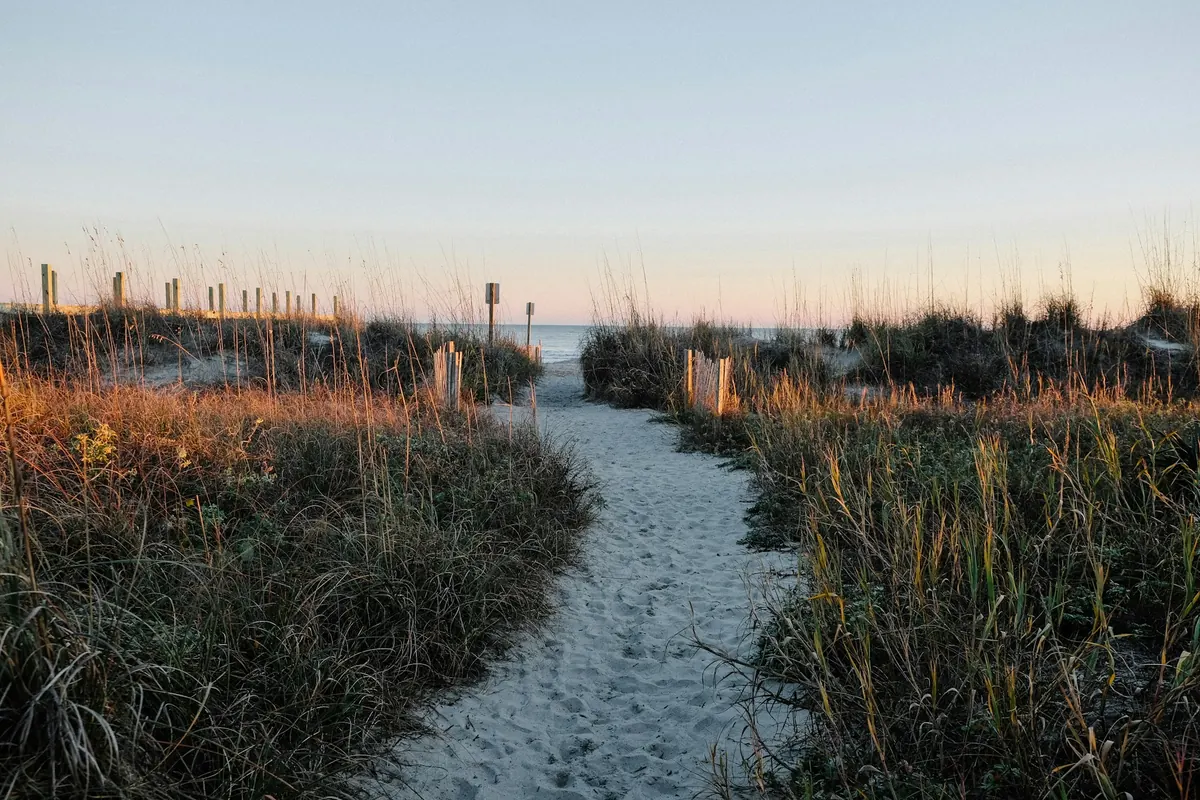
Barrier islands sit a few feet above the tide. Ground level at the Folly Beach ZIP center point is about 2 feet. Photo: Kelsey Schisler / Unsplash
Who pays
The SC Department of Insurance says a standard homeowners policy does not include coverage for flood damage, and that includes storm surge. Flood coverage comes from a separate policy, usually through FEMA's National Flood Insurance Program. NFIP building coverage goes up to $250,000 and contents up to $100,000, and a new policy takes effect 30 days after purchase, so buying one when a storm is forecast is too late.
Coverage below the lowest elevated floor is limited. FEMA's basement fact sheet says the NFIP can count a crawl space as a basement when it is below ground on all sides, and basement coverage is limited. Ask your agent what your policy pays for under the house.
Questions Charleston homeowners ask
Does flood insurance cover king tide flooding?
A flood policy covers flood water entering the building, subject to its terms, whatever pushed the water in. A homeowners policy doesn't. Street flooding that never gets inside usually isn't a claim either way.
Can carpet be saved after flood water?
Carpet and pad soaked by outside flood water or sewage are usually thrown out. Clean water from a supply line is a different case; carpet can sometimes be dried if it is caught quickly.
What does severe flood cleanup cost?
Bob Vila puts the most severe class of water damage at $20,000 to $100,000 to remediate. Most jobs are far smaller. The price follows how much of the house was wet and how long it sat.