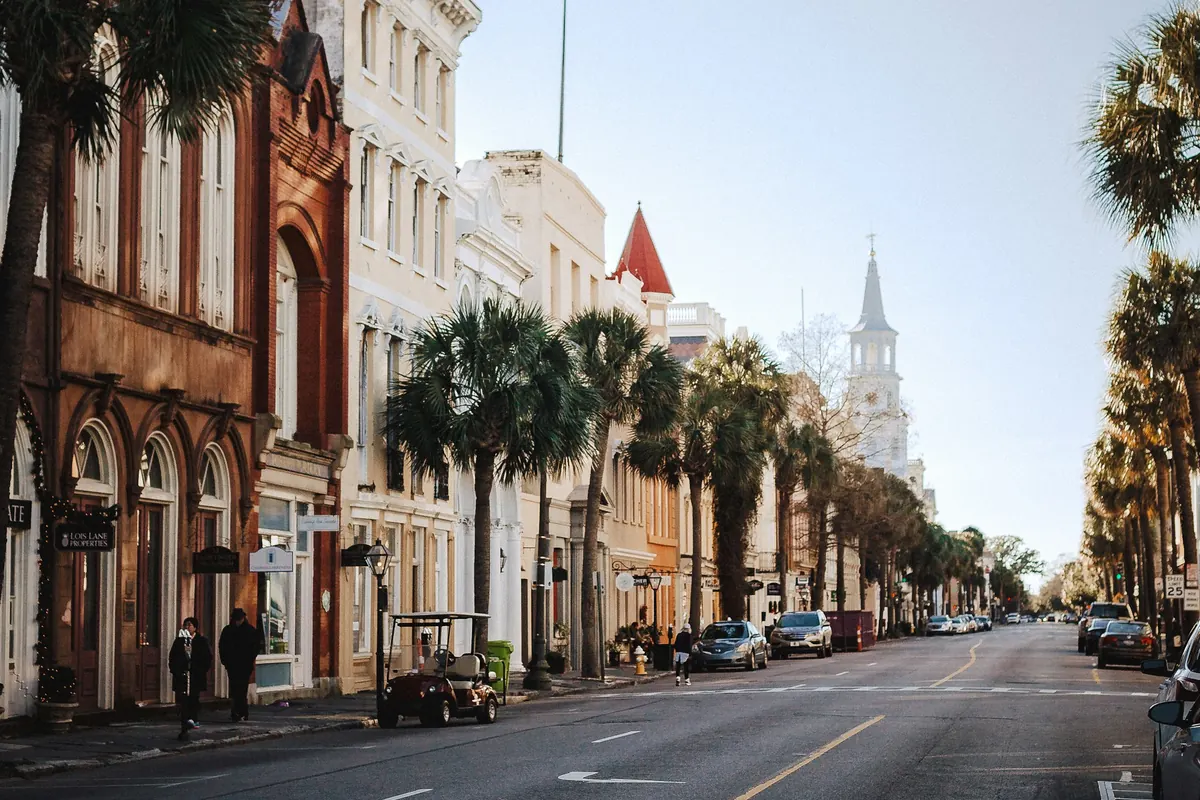
Mold in a rental in South Carolina
South Carolina's landlord-tenant law doesn't mention mold by name, but it requires landlords to keep a rental fit and habitable and to follow housing codes that affect health and safety. Tell the landlord in writing, keep copies, and know the 14-day rule in S.C. Code 27-40-610.
On this page
General information, not legal advice. For your situation, talk to a lawyer or a legal aid office. South Carolina Legal Services helps eligible tenants.
What the law requires of landlords
Under S.C. Code 27-40-440, a landlord must comply with building and housing codes materially affecting health and safety, and make all repairs and do whatever is reasonably necessary to put and keep the premises in a fit and habitable condition. The word "mold" doesn't appear in the chapter. A leak that causes mold, or a broken system that keeps a unit damp, is the kind of repair the statute covers. A bill to add rental health standards (H.3232) has been in committee since January 2025.
Step by step
- Document it. Dated photos, the size of the area, where water is coming from, and any health effects.
- Notify the landlord in writing. Email or letter, describing the problem and asking for repair. Keep a copy.
- Ask what will be done and when. A handyman painting over mold is not a repair; the moisture source has to be fixed.
- If nothing happens: under 27-40-610, if a material breach isn't remedied within 14 days after written notice, the tenant may be able to end the lease on a date at least 14 days after the landlord receives the notice. The statute has conditions; read it or ask a lawyer before you rely on it.
- Don't withhold rent or repair-and-deduct on your own. Section 27-40-630 allows a deduction only for certain essential services and says it doesn't authorize making repairs and deducting the cost.
Section 27-40-910 prohibits retaliation by a landlord against a tenant for complaining about code violations.
Charleston renters describe the same patterns in local forums: a unit the previous tenant left because of mold, mold on shoes and bags every summer, and belongings found moldy after two weeks away with the AC off. If the unit has a history, ask about it in writing before you sign the lease.
What a renter can do in the meantime
- Run the AC and bathroom fans; keep humidity below 60 percent, the EPA's guide.
- Clean small spots, under about 10 square feet, with detergent and water, per the EPA, and photograph them first.
- Move belongings away from damp walls, and leave the AC running when you travel in summer.
- If anyone at home has asthma or a weak immune system, tell your doctor. The CDC says people with asthma or mold allergies may have severe reactions.
Landlords and property managers
If you own rentals, a written moisture assessment and a scoped repair, with photos of the finished work, protects you as much as the tenant. About 32% of occupied homes in the 27 ZIP codes we cover are rented (Census ACS).
Questions Charleston homeowners ask
Is mold considered uninhabitable?
South Carolina's landlord-tenant law doesn't mention mold by name. It does require landlords to follow building and housing codes that affect health and safety, and to keep the home fit and habitable (S.C. Code 27-40-440). If a landlord doesn't fix a serious problem after written notice, the tenant may be able to end the lease after 14 days (27-40-610). This is general information, not legal advice.
Can my landlord just paint over mold?
Paint doesn't fix the moisture that caused it, and the mold usually returns. Ask in writing what the source is and how it will be fixed.
Who pays for a mold test in a rental?
Nothing in the statute assigns it. Some tenants pay for an independent test to support a repair request. Ask the landlord first; it may be part of their repair.
Sources
- SC Code of Laws: Title 27, Chapter 40, Residential Landlord and Tenant Act
- SC General Assembly: 2025-2026 Bill 3232, Residential rental property
- US EPA: A Brief Guide to Mold, Moisture and Your Home (updated February 18, 2026)
- US EPA: Mold Cleanup in Your Home (updated June 4, 2026)
- CDC: Mold (September 26, 2024)